House of Maduro: Palace to Prison
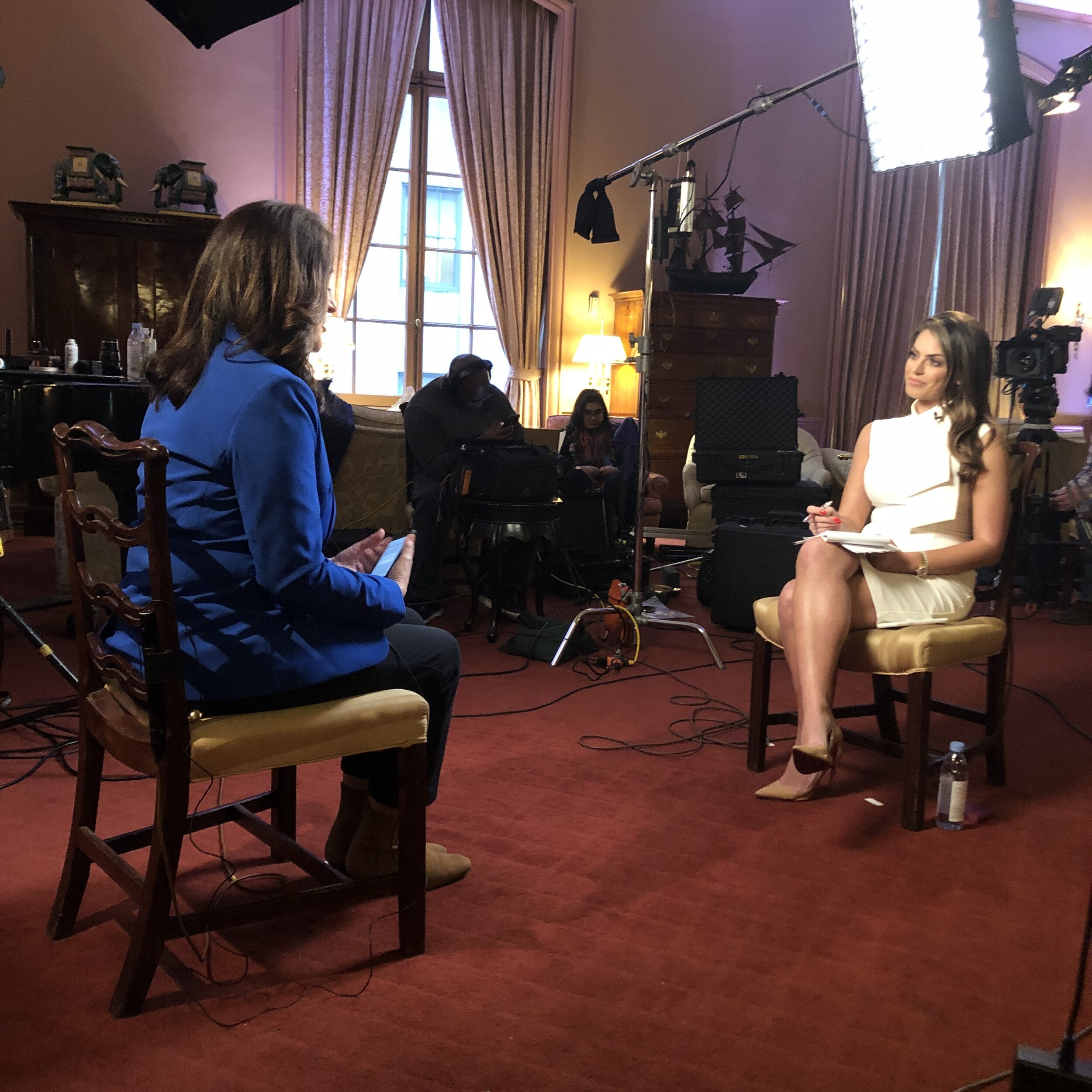
/I just finished producing a documentary about Nicolas Maduro and Venezuela for Fox Nation. Hosted by Rachel Campos Duffy. Promo and description below.
Nicolás Maduro is in federal custody, facing drug trafficking charges. Decades of socialist policies, mismanagement, and corruption hollowed out Venezuela's economy, sparking poverty, mass migration, and despair. Instability and crime have spread across the Western Hemisphere and into the U.S. Can America overcome internal challenges and guide the Caribbean nation toward prosperity? Watch on Fox Nation.
Guests include
Daniel Di Martino- Venezuelan Economist, Manhattan Institute Fellow
Ryan Berg-
Andrea Linares- FOX Noticias Anchor
Derek Maltz- Fmr. Acting Admin. DEA
Juan Guaido- Fmr. Interim Venezuelan Preisdent
Phil Flynn- Energy expert, Fox Business Network Contributor